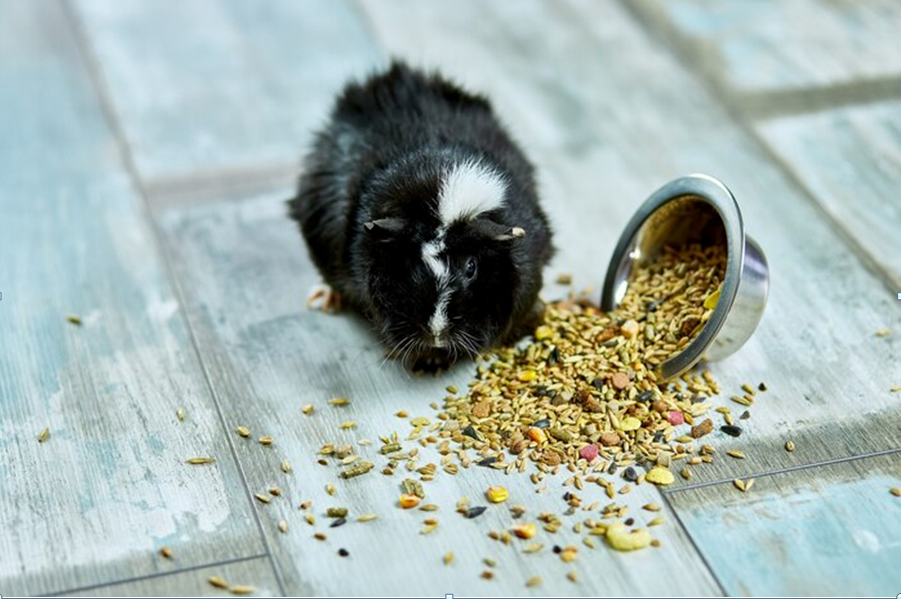

Oxbow Guinea Pig Food all need a bit of companionship from time to time. Maybe you want a fluffy little friend who can listen to your woes after stressful days at work, or perhaps you find that your life currently lacks a main drive, and you desire the responsibility of taking care of a small soul, that will consider you his whole world. Either way, chances are that a small pet will bring a plus to your living situation, and will bring you enough joy to fade away the difficulties associated with animal ownership.
Since you are reading this post, it’s safe to assume you are currently living in Australia. And if you are, you probably want to be part of the 69% of Aussie households who own at least one pet. But there’s a problem. Even though cats and dogs account for around 81% of all pets found in Australian dwellings, most modern rental properties, especially the small-scale condos situated in crowded cities like Sydney or Melbourne, now have quite strict criteria when it comes to the ownership of animal companions.
Do you live in an apartment with dog or cat restrictions? In that case, you might consider purchasing a guinea pig. Small, friendly, more cost-effective when it comes to pet supplies, and surprisingly long-living, guinea pigs are considered by many to be the perfect animal companion for apartment living, and for families with small children, they can be a great introductory pet, that will teach them the basics of personal accountability. That said, even though they are quite easy-going animals, guinea pigs have particular nutritional quirks that you need to be aware of.
What Are the Nutritional Characteristics of Guinea Pigs?
Guinea pigs are quite sturdy little creatures, but in order to prevent the apparition of dental diseases, intestinal statis or even scurvy, you will need to pay attention to your fluffball’s nutritional intake and only feed him with high-quality Oxbow guinea pig food and Timothy hay. As a general rule, the bulk of your guinea pig’s diet should consist of hay, 80% being a good target to hit, while around 10% of the rest of his food should consist of fresh vegetables. As for the remaining 10%, it should be made of treats and fortified pellets.
Why so much hay? Well, guinea pigs are strict herbivores and hindgut fermenters, just like cows or giraffes. They process their food in an internal fermentation vat, called a cecum, that accounts for 65% of their gastrointestinal volume and they need to be constantly eating in order to prevent intestinal stasis. In fact, guinea pigs spend around 16 hours per day, every day, just eating.
Timothy Hay is considered the best fibrous planet matter for the nutritional requirements of guinea pigs, as it has a moderate protein profile, it’s high in fibre, low in calcium, and it has less sugars than other types of hay. Its lack of calcium is important, as guinea pigs are predisposed to bladder or kidney stones if their calcium levels go above 3 mmol/L of blood. Plus, Timothy Hay is quite cheap, and it’s widely available, being a perennial grass native to Europe and Asia.
Why Purchase Ready-Formulated Oxbow Guinea Pig Food?
Pellets should account for only a small percentage of your guinea pig’s nutritional intake. However, the pellets you choose could mean the difference between a pet that will be in your company for many years to come and one that will face multiple health struggles as the years go by. Oxbow guinea pig food is designed to cover 100% of the macronutrients required by your fluffball when accompanied by a correct amount of Timothy Hay.
Oxbow guinea pig food benefits from supplementation with stabilized vitamin C, it features controlled levels of calcium and phosphorous, it has added probiotics which can aid with gut health, and makes use of a Timothy Hay base, so it is rich in fibres and low in fats. What is the appropriate number of pellets to feed your guinea pig? Well, generally, for an adult guinea pig, you should aim to provide them with around 20g per day. However, for young or pregnant guinea pigs, you could increase that amount.
What Other Pet Supplies Are Needed for Your Guinea Pig’s Development?
Besides Oxbow guinea pig food and Timothy hay, your guinea pig will need a proper enclosure, in which he will be and feel safe from external predators, a high-quality water-supply system that provides them with an unlimited amount of liquids, and various hideouts and toys in which he can hide or explore. Guinea pigs are social little animals, but in some circumstances, they can feel quite stressed out and you will need to invest in pet supplies to help them out.
Hideouts are important in order to improve your pet’s feeding behaviour and reduce stress hormones. At the same time, one or two toys are necessary in order to prevent obesity and give him a distraction while you are away. You might also consider purchasing high-quality miscellaneous pet supplies, such as grooming toolsand bedding, which can prevent ammonia buildup and reduce the risks of respiratory infections, which represent one of the most dangerous situations that can be experienced by your guinea pig.
It’s a Matter of Financial Practicality
Upper respiratory infections, with pathogens such as Bordetella bronchiectasis, can progress rapidly, and sometimes, they turn fatal in less than 48 hours. That said, for the most part, the investments you will have to make in order to preserve your guinea pig’s physical and cognitive well-being will be less financially strenuous than what’s necessary for cats and dogs.
The average dog owner will spend around $4,000 per year on food, grooming costs, miscellaneous pet supplies, or vet care. For a guinea pig, however, these expenses will be reduced by a factor of ten. Guinea pigs are a more affordable pet, and they are a great option if you are dealing with strict pet ownership guidelines or you’re living in a place where space comes at a premium.