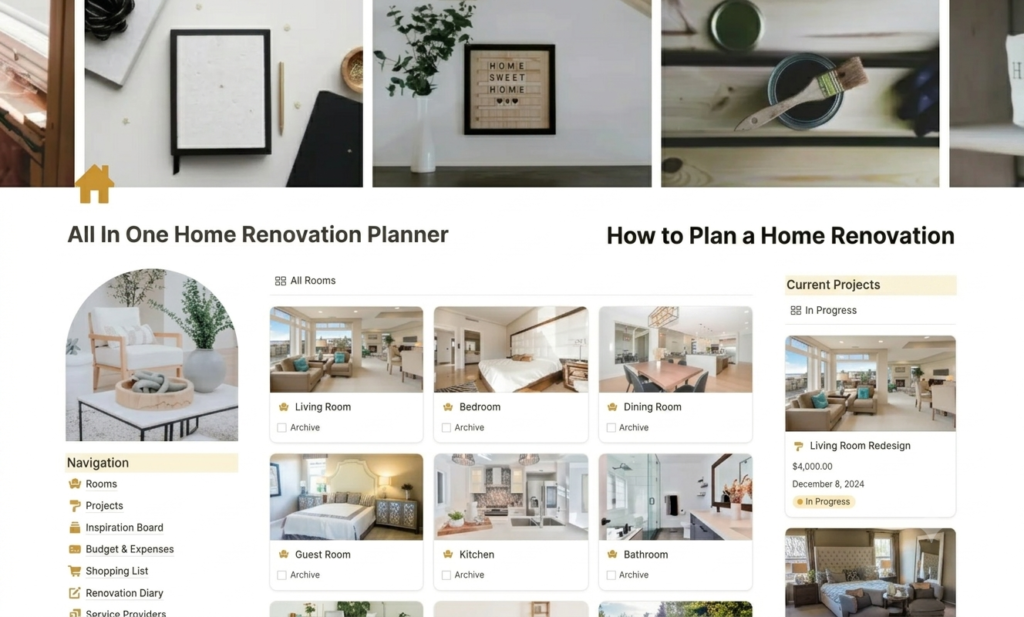

A home renovation can completely transform your living space, improve functionality, and increase the overall value of your property. Whether you want to upgrade an outdated kitchen, renovate a bathroom, create more storage, or redesign your entire home, proper planning is the foundation of a successful project.
Many homeowners begin renovations with exciting ideas about colors, furniture, and finishes but overlook the most important stage: preparation. Without a clear plan, renovation projects can quickly become stressful due to unexpected expenses, delays, poor communication, and design mistakes.
Learning how to plan a home renovation helps you make informed decisions before construction begins. A well-organized plan allows you to set realistic goals, manage your budget, select the right professionals, and create a timeline that keeps your project on track.
What Home Renovation Planning Involves
Home renovation planning is the process of preparing every detail of your remodeling project before any construction work starts. It involves deciding what changes you want to make, estimating costs, choosing designs, selecting materials, hiring professionals, and creating a realistic schedule.
A complete renovation plan usually includes:
- Identifying renovation goals
- Evaluating your home’s current condition
- Creating a budget
- Selecting design ideas
- Hiring contractors and specialists
- Understanding permit requirements
- Choosing materials
- Preparing a timeline
- Monitoring construction progress
The more detailed your plan is, the easier it becomes to avoid mistakes and manage the renovation process effectively.
Why Planning Is the Key to a Successful Renovation
Planning is one of the most important parts of any renovation project. A good plan helps you understand what needs to be done, how much it will cost, and how long it may take.
Without proper planning, homeowners often face problems such as:
- Going over budget
- Delayed completion dates
- Choosing unsuitable materials
- Making expensive design changes
- Hiring the wrong professionals
When you understand how to plan a home renovation, you can prepare for challenges before they happen and create a smoother renovation experience.
Why Planning Your Home Renovation Matters
Planning helps you understand your expected expenses before construction begins. You can compare contractor estimates, prioritize important upgrades, and avoid unnecessary spending.
Improved Decision-Making
Renovations involve many choices, including layouts, colors, materials, and fixtures. Planning gives you enough time to research options instead of making rushed decisions.
Reduced Stress
A renovation can be overwhelming, but having a clear roadmap makes the process easier to manage. Everyone involved understands their responsibilities and expectations.
Increased Home Value
Well-designed improvements can make your home more comfortable and attractive to future buyers. Functional upgrades often provide more long-term value than purely decorative changes.
Common Renovation Mistakes to Avoid
Many renovation problems can be avoided with proper preparation. Common mistakes include:
- Starting without a detailed plan
- Underestimating costs
- Choosing a contractor only because of a low price
- Ignoring permits and regulations
- Changing designs repeatedly during construction
- Buying poor-quality materials
Taking extra time during the planning stage can save significant time and money later.
How Proper Planning Saves Time and Money
A renovation plan helps prevent unnecessary expenses by allowing you to:
- Identify problems early
- Order materials in advance
- Create an accurate budget
- Schedule contractors efficiently
- Avoid repeated work
It is also wise to keep an emergency budget because unexpected issues may appear during construction, especially in older homes.
Step 1: Define Your Renovation Goals
Before starting your renovation, clearly define what you want to achieve. Ask yourself why you are renovating and what improvements matter most.
Consider questions like:
- Do I need more space?
- Do I want better functionality?
- Am I renovating for personal comfort or resale value?
- Which problems in my home need immediate attention?
Having clear goals helps guide every decision throughout the project.
Identify Your Needs vs. Wants
Separate essential improvements from optional upgrades.
Needs may include:
- Repairing damaged areas
- Fixing plumbing problems
- Improving electrical systems
- Replacing unsafe structures
Wants may include:
- Luxury finishes
- Decorative upgrades
- Premium appliances
- Extra design features
Prioritizing needs first ensures your budget focuses on important improvements.
Set Clear Priorities
Not every renovation project needs to happen at the same time. Create a priority list based on:
- Safety
- Functionality
- Budget
- Daily lifestyle needs
This approach helps you complete renovations in manageable stages.
Think About Long-Term Value
A successful renovation should improve your home for years to come.
Consider:
- Durability of materials
- Future family needs
- Maintenance requirements
- Potential resale value
Avoid choosing designs only because they are currently popular. Focus on improvements that provide lasting benefits.
Step 2: Create a Realistic Renovation Budget
Creating a realistic budget is one of the most important steps in how to plan a home renovation.
Your budget should include:
- Labor costs
- Materials
- Permits
- Design fees
- Delivery charges
- Unexpected repairs
Research average costs and request estimates from multiple contractors before making decisions.
Estimate Overall Costs
Break your budget into categories:
- Construction work
- Materials
- Professional services
- Furniture and decoration
- Additional expenses
A detailed estimate helps you understand where your money is going.
Include a Contingency Fund
Unexpected problems are common during renovations. Hidden issues such as old wiring, plumbing damage, or structural repairs can increase costs. Keeping an additional emergency fund helps you handle surprises without stopping the project.
Decide Where to Save and Where to Spend
Spend more on areas that affect durability, such as:
- Electrical systems
- Plumbing
- Flooring
- Cabinets
- Insulation
You can save money on temporary trends or decorative items that are easier to replace later.
Step 3: Assess Your Home’s Current Condition
Before remodeling, inspect your home carefully. Understanding its current condition helps you identify repairs before adding new features.
Check Structural Issues
Look for possible problems involving:
- Foundation
- Roof
- Walls
- Floors
- Support structures
Structural problems should be addressed before cosmetic improvements.
Evaluate Electrical and Plumbing Systems
Older homes may require updates to support modern living.
Inspect:
- Wiring
- Electrical panels
- Pipes
- Water pressure
- Drainage systems
Fixing these systems early prevents future problems.
Identify Repairs Before Remodeling
Check for:
- Water damage
- Mold
- Leaks
- Poor insulation
- Damaged windows
Addressing these issues first protects your renovation investment.
Step 4: Decide Which Rooms to Renovate First
Choosing the right renovation order helps you manage your budget and minimize disruption.
Kitchen Renovation
Kitchen upgrades often focus on:
- Storage improvement
- Better lighting
- Updated appliances
- New countertops
- Functional layouts
A well-designed kitchen improves both daily living and home appeal.
Bathroom Renovation
Bathrooms require careful planning because they involve plumbing, moisture, and ventilation.
Common upgrades include:
- New fixtures
- Improved storage
- Better lighting
- Updated flooring
Living Room and Bedrooms
These areas often require cosmetic improvements such as:
- Painting
- Flooring updates
- Lighting improvements
- Storage solutions
Outdoor Spaces
Exterior improvements can improve curb appeal and protect your property.
Examples include:
- Landscaping
- Deck improvements
- Exterior painting
- Roof maintenance
Step 5: Gather Design Inspiration
Before choosing materials, collect ideas that match your style and needs.
Choose Your Interior Style
Popular styles include:
- Modern
- Traditional
- Minimalist
- Scandinavian
- Industrial
Choose a style that fits your personality and home’s structure.
Create a Mood Board
A mood board helps organize:
- Colors
- Materials
- Furniture ideas
- Lighting styles
It makes design decisions easier before purchasing items.
Select Colors and Materials
Choose materials based on:
- Durability
- Maintenance
- Budget
- Room usage
A beautiful material should also be practical.
Read more: Home Insurance Quotes: Compare Rates & Save on Coverage
Step 6: Hire the Right Professionals
The right renovation team can make a major difference in project quality.
Contractor
A good contractor should have:
- Experience
- References
- Clear pricing
- Good communication skills
Always review previous work before hiring.
Architect or Designer
For major changes, professionals can help with:
- Layout planning
- Space optimization
- Design decisions
Specialized Tradespeople
Some projects require specialists such as:
- Electricians
- Plumbers
- HVAC professionals
- Flooring installers
Step 7: Obtain Necessary Permits
Some renovation projects require permits before work begins.
Permits may be needed for:
- Structural changes
- Electrical work
- Plumbing changes
- Major additions
Check your local requirements before starting construction.
Step 8: Create a Renovation Timeline
A realistic timeline keeps your project organized.
Typical renovation stages include:
- Planning
- Design
- Permits
- Construction
- Final inspection
Remember that material delays and unexpected repairs may affect the schedule.
Step 9: Choose Quality Materials and Fixtures
Selecting durable materials improves the lifespan of your renovation.
Consider quality options for:
- Flooring
- Cabinets
- Countertops
- Lighting
- Appliances
Energy-efficient upgrades can also improve comfort and reduce long-term costs.
Step 10: Prepare Your Home Before Construction
Before work begins:
- Protect furniture
- Remove valuable items
- Create temporary living areas
- Keep children and pets away from work zones
Proper preparation makes renovation safer and easier.
Step 11: Monitor the Renovation Progress
Stay involved throughout construction.
Regularly:
- Communicate with your contractor
- Review progress
- Track expenses
- Approve changes carefully
Good communication prevents misunderstandings.
Step 12: Complete the Final Inspection
Before finishing your renovation:
Create a Punch List
Write down any unfinished work, such as:
- Paint corrections
- Fixture problems
- Minor repairs
Verify All Work Is Finished
Check that:
- Materials match expectations
- Systems work properly
- Construction is complete
Home Renovation Planning Checklist
✔ Define renovation goals
✔ Create a realistic budget
✔ Inspect your home’s condition
✔ Choose renovation priorities
✔ Collect design ideas
✔ Hire professionals
✔ Obtain permits
✔ Select materials
✔ Prepare your home
✔ Monitor progress
✔ Complete final inspection
Final Thoughts
A successful renovation begins long before construction starts. By understanding how to plan a home renovation, you can make smarter decisions, control your budget, and create a space that meets your needs.
Take time to define your goals, research options, hire reliable professionals, and prepare for unexpected challenges. A thoughtful plan transforms a stressful renovation into a rewarding experience. With the right preparation, your dream home can become a realistic and achievable project.
FAQs About How to Plan a Home Renovation
How do I start planning a home renovation?
Start by defining your goals, evaluating your home’s condition, and creating a realistic budget. A clear plan should come before construction begins.
How much should I budget for a renovation?
Costs depend on project size, materials, labor, and location. Always include extra funds for unexpected expenses.
Should I renovate one room at a time?
For many homeowners, renovating one room at a time makes budgeting and daily life easier.
How long does a home renovation take?
The timeline depends on project complexity, permits, materials, and contractor availability.
Can I live in my house during renovation?
Yes, but large renovations may make some areas difficult to use. Plan temporary arrangements if necessary.
Do I need permits for every renovation?
No. Permit requirements depend on your location and the type of work being completed.