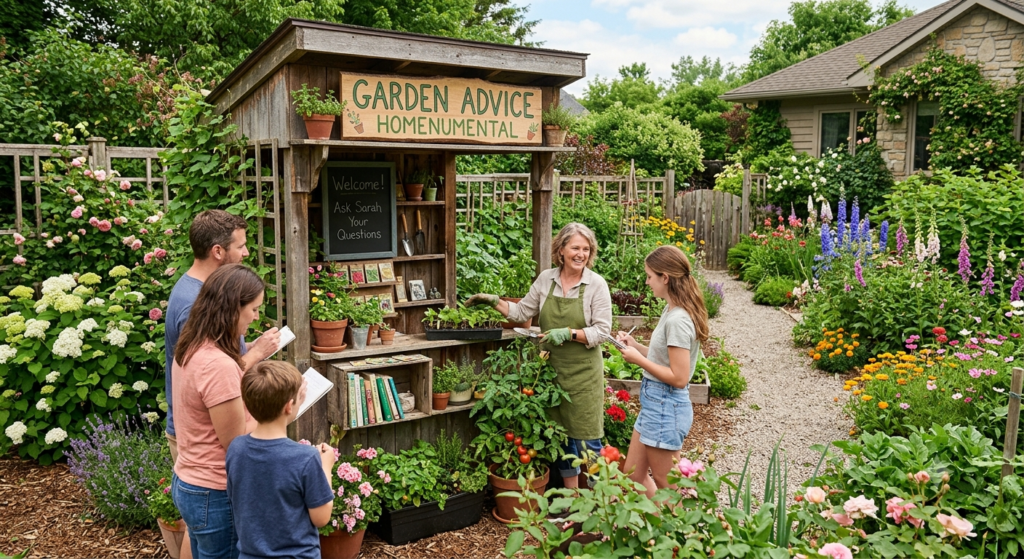

Garden Advice Homenumental is more than just a phrase—it represents a practical approach to gardening that combines smart planning, healthy soil, proper plant care, and sustainable techniques to help every garden thrive. Many gardeners struggle with issues such as poor soil, overwatering, pest infestations, and choosing plants that are not suited to their local climate.
Fortunately, these common problems can often be prevented with proven gardening practices. By following reliable Garden Advice Homenumental, you can create a healthier, more productive garden while saving time, money, and effort. You’ll learn how to improve soil quality, select the right plants, water efficiently, and maintain your garden throughout the year. These practical tips are designed to help you grow stronger plants, increase harvests, and enjoy a beautiful outdoor space regardless of your gardening experience.
What Is Garden Advice Homenumental?
It refers to a collection of practical gardening strategies that help gardeners make informed decisions throughout every stage of plant growth. Instead of relying on guesswork, it encourages planning, observation, and consistent care to achieve long-term success.
This approach focuses on creating a healthy growing environment by improving soil, providing adequate sunlight, watering correctly, and preventing problems before they become serious. Whether you have a large landscape or a few containers on a balcony, these principles apply to almost every type of garden.
Why It Matters
Following it offers several important benefits:
- Healthier and stronger plants
- Better flower blooms and vegetable harvests
- Reduced pest and disease problems
- Lower maintenance costs
- More environmentally friendly gardening practices
- Greater enjoyment from your outdoor space
Expert Garden Advice Homenumental Tips
Healthy soil is the foundation of every successful garden. Before planting, check the soil texture, drainage, and nutrient levels. Mixing compost or well-rotted organic matter into the soil improves its structure and increases beneficial microorganisms. Rich soil allows plant roots to absorb water and nutrients more effectively, leading to stronger growth and better resistance against diseases.
Choose the Right Plants for Your Climate
One of the most overlooked aspects of Garden Advice Homenumental is selecting plants that naturally thrive in your local climate. Consider factors such as:
- Average temperature
- Rainfall
- Sun exposure
- Soil type
- Seasonal changes
Native plants generally require less maintenance because they are already adapted to local growing conditions.
Water Plants Properly
Many gardeners unintentionally damage their plants by watering too often. Instead:
- Water deeply rather than frequently.
- Water early in the morning.
- Avoid wetting the leaves whenever possible.
- Adjust watering during rainy periods.
Deep watering encourages stronger root systems and helps plants become more drought-resistant.
Give Plants Enough Space
Crowded plants compete for nutrients, sunlight, and airflow. Poor spacing also increases the risk of fungal diseases. Always follow the recommended spacing on seed packets or plant labels. Proper spacing improves air circulation, simplifies maintenance, and allows plants to reach their full size.
Use Organic Mulch
Mulching is one of the most valuable gardening practices. Organic mulch such as:
- Straw
- Wood chips
- Shredded leaves
- Pine bark
- Grass clippings
helps retain moisture, suppress weeds, regulate soil temperature, and slowly enrich the soil as it decomposes. Applying a 2–3 inch layer around plants significantly reduces watering needs while keeping roots cool during hot weather.
Professional Garden Advice Homenumental Checklist
| Gardening Task | Why It Matters | Recommended Frequency |
| Test soil quality | Identifies nutrient deficiencies | Once every 1–2 years |
| Add compost | Improves soil fertility | Every planting season |
| Water deeply | Encourages healthy roots | 1–3 times weekly, depending on weather |
| Apply mulch | Conserves moisture and reduces weeds | Refresh every season |
| Inspect for pests | Prevents major infestations | Weekly |
| Remove weeds | Reduces competition for nutrients | Weekly |
| Prune damaged growth | Promotes healthier plants | As needed |
Feed Your Plants with the Right Nutrients
Healthy plants need more than water and sunlight—they also require a balanced supply of nutrients. One of the key principles of Garden Advice Homenumental is understanding what your plants need at different stages of growth. The three primary nutrients are:
- Nitrogen (N): Encourages leafy green growth.
- Phosphorus (P): Supports strong roots and flower production.
- Potassium (K): Improves overall plant health and disease resistance.
Organic fertilizers such as compost, worm castings, fish emulsion, and well-rotted manure provide slow-release nutrients while improving soil health. Always follow the recommended application rates because over-fertilizing can damage roots and reduce flowering or fruit production.
Protect Your Garden from Pests Naturally
Every garden attracts insects, but not all bugs are harmful. Beneficial insects like ladybugs, lacewings, and praying mantises help control pests naturally. Instead of relying heavily on chemical pesticides, try these eco-friendly methods:
- Plant flowers that attract pollinators and beneficial insects.
- Remove infected leaves immediately.
- Spray neem oil when necessary.
- Use insecticidal soap for soft-bodied pests.
- Keep your garden clean to reduce hiding places for insects.
Prune and Trim Regularly
Pruning improves plant shape, encourages new growth, and reduces the spread of diseases. Some basic pruning tips include:
- Remove dead or diseased branches.
- Cut just above healthy buds.
- Sterilize pruning tools between plants.
- Avoid excessive pruning during active flowering periods.
Regular maintenance keeps trees, shrubs, and flowering plants looking their best throughout the growing season.
Read more: How Travel Tweaks Offers Can Help You Save Money on Your Next Trip
Practice Seasonal Garden Maintenance
Garden Advice Homenumental is a year-round activity, and each season requires different care.
Spring
- Prepare garden beds.
- Add compost.
- Plant vegetables and flowers.
- Check irrigation systems.
Summer
- Water deeply during dry periods.
- Apply fresh mulch.
- Remove weeds regularly.
- Monitor for pests and diseases.
Autumn
- Harvest remaining crops.
- Plant cool-season vegetables.
- Collect fallen leaves for compost.
- Divide overcrowded perennials.
Winter
- Protect sensitive plants from frost.
- Clean and sharpen gardening tools.
- Plan next year’s garden layout.
- Store seeds properly.
Keep Learning and Observing
Experienced Garden Advice Homenumental know that every garden is unique. Observe how plants respond to weather, watering, and soil conditions. Consider keeping a gardening journal to record:
- Planting dates
- Bloom times
- Fertilizer schedules
- Pest problems
- Successful plant varieties
Essential Gardening Tools Every Gardener Should Own
The right tools make gardening easier and more enjoyable.
- Hand trowel
- Garden fork
- Pruning shears
- Watering can
- Garden hose
- Rake
- Spade
- Wheelbarrow
- Gardening gloves
- Kneeling pad
Investing in quality tools saves time and improves efficiency during routine maintenance.
Quick Gardening Tips (Featured Snippet Ready)
If you’re looking for fast and practical Garden Advice Homenumental, remember these essentials:
- Build healthy soil with compost.
- Water deeply instead of frequently.
- Choose plants suited to your local climate.
- Apply organic mulch every season.
- Remove weeds before they spread.
- Inspect plants weekly for pests.
- Prune damaged branches promptly.
- Rotate vegetable crops annually.
- Encourage bees and butterflies.
- Keep learning through observation and experience.
Final Thoughts
Creating a beautiful and productive garden doesn’t require expensive equipment or years of experience. It requires consistency, patience, and the willingness to learn from nature. By applying the proven techniques shared in this Garden Advice Homenumental guide, you can grow healthier plants, improve soil quality, reduce pest problems, and enjoy a thriving garden in every season. Start with healthy soil, choose the right plants, water wisely, and maintain your garden throughout the year. Small improvements made consistently often lead to remarkable long-term results.
Whether you’re cultivating flowers, vegetables, herbs, or ornamental landscapes, following these expert recommendations will help you build a garden that is both beautiful and sustainable.
FAQs
Q1: What is Garden Advice Homenumental?
Ans: It is a practical gardening approach that focuses on proven techniques for growing healthy plants, improving soil quality, preventing common gardening problems, and maintaining a beautiful garden throughout the year. It combines beginner-friendly tips with expert recommendations to help gardeners achieve long-term success.
Q2: Is Garden Advice Homenumental suitable for beginners?
Ans: Yes. It is ideal for beginners because it emphasizes simple, easy-to-follow gardening practices such as choosing the right plants, watering correctly, improving soil health, and using organic mulch. These foundational techniques help new gardeners build confidence while avoiding common mistakes.
Q3: How often should I water my garden?
Ans: Watering frequency depends on your climate, soil type, and the plants you grow. Most gardens benefit from deep watering one to three times per week rather than light daily watering. It’s best to water early in the morning so plants can absorb moisture before the heat of the day causes excessive evaporation.
Q4: What type of fertilizer is best for a home garden?
Ans: Organic fertilizers such as compost, well-rotted manure, worm castings, and fish emulsion are excellent choices for most home gardens. They improve soil structure while providing slow-release nutrients that support healthy plant growth. If using synthetic fertilizers, always follow the manufacturer’s recommended application rates.
Q5: How can I naturally prevent pests in my garden?
Ans: Natural pest control begins with healthy plants. Encourage beneficial insects like ladybugs and lacewings, inspect plants regularly, remove damaged leaves, apply neem oil when needed, and keep your garden clean. Companion planting and proper spacing also help reduce pest and disease problems without relying heavily on chemicals.
Q6: What are the biggest gardening mistakes beginners make?
Ans: Common beginner mistakes include overwatering, planting in poor-quality soil, overcrowding plants, using too much fertilizer, and choosing plants that are unsuitable for the local climate. Learning these basics early can significantly improve gardening success and reduce maintenance issues.
Q7: How can I improve poor garden soil?
Ans: The best way to improve poor soil is by adding organic matter such as compost, aged manure, shredded leaves, or other natural soil amendments. Regular soil testing can also identify nutrient deficiencies and pH imbalances, allowing you to make targeted improvements for healthier plant growth.