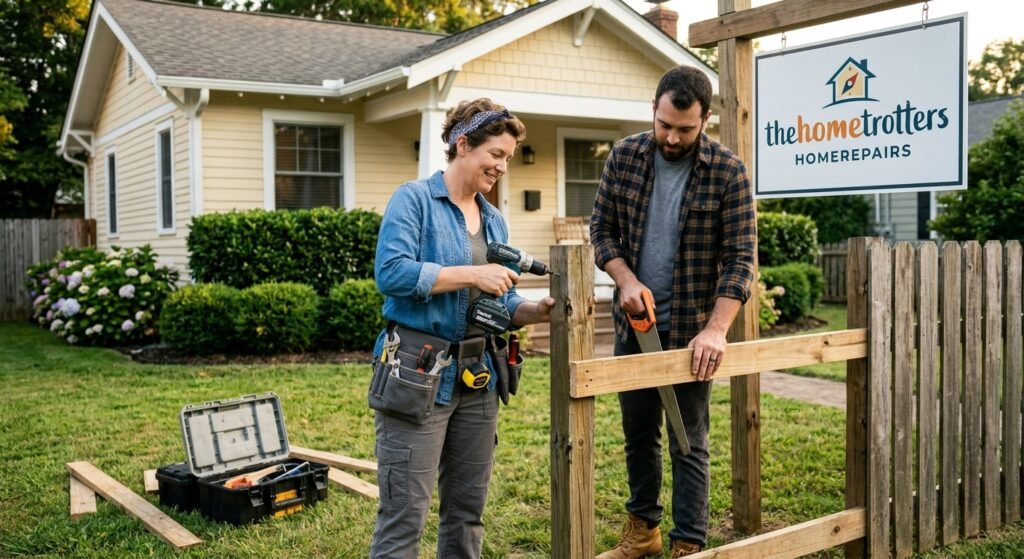

A comfortable home requires regular care, attention, and occasional repairs. From leaking taps and blocked drains to damaged walls, faulty electrical fittings, and roof leaks, household problems can develop at any time. Some issues appear minor at first but may become expensive if they are ignored.
Understanding their causes and knowing when to repair them can help homeowners protect their property, maintain a healthier living environment, and avoid unnecessary expenses. TheHometrotters HomeRepairs is the focus of this guide to common household maintenance challenges and practical ways to address them.
Whether you own a house, rent an apartment, or manage a family property, understanding basic repair principles can make home maintenance easier. The most important steps are identifying the problem correctly, choosing a suitable solution, using appropriate materials, and recognizing when professional assistance is necessary.
What Are TheHometrotters HomeRepairs?
TheHometrotters HomeRepairs refers to the subject of identifying, understanding, and addressing common maintenance and repair problems around a home. It covers practical information that can help homeowners recognize damage, understand possible causes, and decide whether a problem can be handled independently or requires a trained professional.
Home repairs are not limited to fixing something after it stops working. They also include preventive maintenance, regular inspections, and small improvements that help household systems remain functional.
Understanding the Purpose of Home Repairs
The main purpose of home repairs is to maintain a property’s safety, comfort, and functionality. A dripping tap, for example, may seem like a small inconvenience, but a persistent leak can waste water and damage nearby cabinets or flooring. Similarly, a small roof leak can lead to damp ceilings, damaged paint, and mold growth if the source is not addressed.
Regular maintenance helps homeowners identify problems before they become more serious. TheHometrotters HomeRepairs can also extend the useful life of fixtures, appliances, plumbing systems, doors, windows, and other household components.
Why Regular Home Maintenance Matters
Regular maintenance can offer several practical benefits:
- Protects property: Early repairs can prevent minor damage from spreading.
- Improves safety: Damaged wiring, loose railings, and unstable fixtures can create hazards.
- Controls expenses: Addressing small problems early may reduce the need for major repairs.
- Supports comfort: Functional plumbing, ventilation, doors, and windows make daily life easier.
- Maintains property condition: A well-maintained home is generally easier to manage and keep presentable.
Home maintenance should be treated as an ongoing responsibility rather than a task that only becomes necessary when something breaks.
Most Common Household Issues Homeowners Face

Household problems vary depending on the building’s age, construction quality, climate, materials, and maintenance history. However, several issues occur in many residential properties.
Plumbing Leaks and Blocked Drains
Plumbing problems are among the most common household maintenance concerns. Leaks may develop around taps, pipe connections, sinks, toilets, showers, or water tanks. Common causes include worn washers, damaged seals, loose fittings, corrosion, and deteriorating pipe materials.
Blocked drains can result from accumulated hair, soap residue, food particles, grease, or other debris. Warning signs include slow drainage, unpleasant smells, and water collecting around sinks or bathroom floors.
Electrical Problems and Faulty Wiring
Electrical problems should always be treated seriously. Common warning signs include flickering lights, frequently tripping circuit breakers, buzzing switches, discoloured outlets, damaged cables, and burning smells.
These symptoms may indicate overloaded circuits, loose connections, damaged wiring, or other electrical faults. They should not be dismissed as ordinary inconveniences.
Never attempt to repair exposed wiring or open electrical panels without the necessary training. If you notice a burning smell, sparks, unusual heat, or repeated breaker trips, stop using the affected circuit if TheHometrotters HomeRepairs is safe to do so and contact a qualified electrician. If there is smoke or fire, leave the area and contact emergency services.
Roof Leaks and Water Damage
Roof leaks can occur because of damaged waterproofing, cracked roof surfaces, defective flashing, blocked drainage outlets, deteriorated joints, or damaged roofing materials. Heavy rainfall can make these problems more noticeable.
Water stains on ceilings, peeling paint, damp walls, and dripping water are common signs of moisture intrusion. However, the visible stain may not be directly below the actual leak because water can travel along structural surfaces.
Wall Cracks, Peeling Paint, and Dampness
Wall cracks may develop because of normal material movement, plaster shrinkage, temperature changes, moisture, or structural movement. Small surface cracks are not always serious, but their appearance and development should be monitored.
Widening cracks, diagonal cracks around doors and windows, cracks accompanied by sticking doors, or visible movement in walls require professional assessment. Do not cover potentially structural damage with filler or paint before understanding its cause.
Peeling paint and damp patches can result from water leaks, poor ventilation, condensation, or moisture entering through external walls. Repairing the moisture source should come before repainting.
Doors, Windows, and Damaged Fixtures
Doors and windows may become difficult to open or close because of loose hinges, worn hardware, swelling, misalignment, damaged frames, or changes in the building structure.
Other common problems include loose cabinet handles, broken locks, damaged drawer slides, and unstable shelves. Some of these issues can be corrected by tightening suitable screws or replacing compatible hardware.
Practical Solutions to Common Home Repair Problems
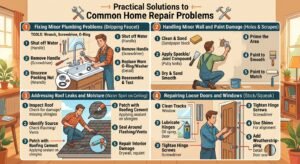
The right repair method depends on the source and severity of the problem. Before starting, identify the affected area, consider possible safety risks, and determine whether you have the necessary tools and experience.
Fixing Minor Plumbing Problems
For a small leak from an accessible tap, first identify where the water is escaping. If the leak appears to come from a worn washer or seal, replacing the damaged component may resolve TheHometrotters HomeRepairs.
Before working on a plumbing fitting, shut off the appropriate water supply. Place a container or cloth underneath to collect remaining water, and use the correct replacement part. Avoid overtightening connections because excessive force can damage threads or fittings.
For a slow drain, remove visible debris from the drain cover or trap if it can be accessed safely. Do not mix chemical drain cleaners with other cleaning products. If a blockage continues, or wastewater backs up into the home, contact a plumber.
Handling Minor Wall and Paint Damage
Small holes and superficial cracks in plaster may be repaired using a suitable wall filler. Begin by removing loose material and cleaning the area. Apply the filler according to the manufacturer’s instructions, allow TheHometrotters HomeRepairs to dry, and sand the surface gently if appropriate.
Before painting, make sure the surface is clean and dry. Use a primer when required by the paint manufacturer or the condition of the wall.
Addressing Roof Leaks and Moisture
When a roof leak appears, protect furniture and electrical equipment from water. If water is near electrical fittings, avoid touching the affected area and seek qualified assistance.
Once conditions are safe, arrange an inspection to identify the source. Possible causes include cracked waterproofing, damaged roof joints, blocked drainage outlets, and defective pipe connections.
Repairing Loose Doors and Windows
For a door that squeaks, inspect the hinges and check whether their screws are loose. Tightening suitable screws or applying an appropriate lubricant to moving hinge parts may help.
If a door does not close properly, examine the latch, hinges, and frame alignment. Avoid forcing TheHometrotters HomeRepairs shut because this can damage the frame or lock.
Essential Tools and Materials for Home Repairs
Having a basic collection of tools can make simple maintenance tasks more convenient. However, owning tools does not replace the training required for electrical, structural, or other high-risk repairs.
Basic Tools Every Homeowner Should Consider
A practical home maintenance toolkit may include:
- Screwdriver set: For tightening and removing compatible screws.
- Adjustable wrench: For suitable nuts and plumbing fittings.
- Hammer: For basic household tasks involving appropriate fasteners.
- Measuring tape: For checking dimensions before purchasing replacement parts.
- Pliers: For gripping and handling suitable materials.
- Utility knife: For controlled cutting tasks, with proper blade safety.
- Spirit level: For checking whether shelves and fixtures are level.
- Flashlight: For inspecting dark spaces.
- Protective gloves and safety glasses: For reducing exposure to common physical hazards.
Choose tools that are suitable for the task and keep them clean, dry, and stored safely.
Common Repair Materials
Depending on the job, homeowners may need wall filler, suitable screws, replacement washers, plumbing seals, paint, primer, cleaning cloths, and compatible sealant.
Always check product instructions before using repair materials. Different surfaces and conditions require different products. For example, a sealant designed for bathrooms may not be appropriate for every exterior joint or roofing application.
DIY Home Repairs vs. Professional Repair Services
Not every household repair requires a professional, but not every repair is suitable for DIY work. The best choice depends on the level of risk, the complexity of the problem, and the homeowner’s knowledge.
When DIY Repairs May Be Suitable
DIY repairs may be reasonable for simple, low-risk tasks, such as:
- Tightening a loose cabinet handle.
- Replacing a compatible door handle.
- Cleaning an accessible drain cover.
- Touching up minor paint damage.
- Assembling basic furniture.
- Replacing a simple household fixture when the task involves no hazardous wiring or structural work.
Before starting, read the product instructions, prepare the correct tools, and make sure the work area is safe.
When to Hire a Professional
Professional assistance is recommended for electrical faults, major plumbing leaks, roof repairs at height, structural cracks, gas-related problems, and extensive water damage.
A trained professional can identify problems that may not be visible during a basic inspection. Attempting complex repairs without the right knowledge can increase the risk of injury, property damage, or more expensive repairs later.
When choosing a contractor, ask about relevant experience, qualifications, references, materials, expected completion time, and the total estimated cost. Request a written description of the work before agreeing to major repairs. Where applicable, verify local registration, licensing, or other required credentials.
How to Prevent Common Household Problems
Preventive maintenance is often easier to manage than emergency repairs. A simple inspection routine can help homeowners notice developing issues before they become serious.
Create a Regular Home Inspection Routine
Check important areas of your home at regular intervals. Look under sinks for leaks, inspect ceilings for water stains, test doors and windows, and examine visible pipes for corrosion or damage.
Check electrical outlets and switches visually for discolouration or damage. Do not remove electrical covers or inspect live wiring yourself. Arrange a qualified inspection if warning signs appear.
Maintain Proper Ventilation and Moisture Control
Moisture management is especially important in humid environments. Open windows when outdoor conditions are suitable, use bathroom ventilation where available, and avoid leaving wet materials in enclosed spaces.
Clean up spills and investigate recurring damp patches. Repair plumbing and roof leaks instead of repeatedly drying the visible surface.
The EPA recommends keeping indoor relative humidity below 60%, ideally between 30% and 50% where practical. A humidity meter can help monitor indoor conditions. These figures are general guidance, and the most suitable approach depends on the local climate and the building.
Prepare Your Home for Seasonal Weather
Before the rainy season in Bangladesh, inspect roof drainage outlets, gutters, visible waterproofing, exterior walls, and areas where water tends to collect.
Make sure drainage routes are not blocked by leaves, rubbish, or other debris. Check that rainwater is directed away from the building rather than toward walls or neighbouring property.
After heavy rainfall, look for new damp patches, roof leaks, standing water, and damaged exterior surfaces. Early attention can reduce the chance of prolonged moisture problems.
How to Budget for Home Repairs and Maintenance
Home repair costs can vary depending on the materials, labour, location, accessibility, and seriousness of the problem. A maintenance budget helps homeowners prepare for routine work and unexpected repairs.
Estimate Repair Costs Before Starting
Begin by identifying the problem and listing the materials and labour that may be required. For larger jobs, request written estimates from more than one suitable contractor.
Compare what each estimate includes. A lower price may not cover the same materials, preparation, workmanship, or follow-up services as another estimate.
Set Aside Money for Unexpected Repairs
Consider keeping a separate amount for urgent household maintenance. The appropriate amount depends on your income, property condition, and the age of the building.
Prioritize repairs according to safety and the risk of further damage. Active water leaks, exposed electrical hazards, and structural concerns should generally receive attention before cosmetic improvements.
Read more: Abode Home Security Systems: Features, Pricing, Installation, and Review
Important Safety Tips for Home Repairs
Safety should come before speed or convenience. Even a small repair can cause injury if the work area is not prepared correctly.
Use Appropriate Protective Equipment
Wear suitable gloves, safety glasses, and closed footwear when the task requires them. Use a dust mask or other suitable respiratory protection when working in dusty conditions, following the product and safety instructions.
Keep children and pets away from tools, chemicals, wet floors, and repair areas. Store sharp tools and hazardous materials securely after use.
Avoid Dangerous Electrical and Structural Work
Never touch exposed wires, damaged electrical equipment, or wet electrical fittings. Do not attempt to repair an electrical panel or modify household wiring unless you are appropriately qualified.
Avoid climbing onto wet roofs or unstable ladders. Roof work should be handled by trained workers using suitable fall-protection equipment.
Do not remove structural walls, columns, beams, or other load-bearing components without professional assessment and proper authorization. If you notice significant cracks, movement, or signs of structural instability, seek advice from a qualified engineer or building professional.
Know When to Stop
If a repair becomes more complicated than expected, stop and reassess. Unusual smells, sparks, unexpected water flow, unstable surfaces, and hidden damage are reasons to seek professional help. A safe repair is more valuable than a quick repair that creates additional problems.
Final Thoughts
Home maintenance is an important part of protecting a property’s condition, safety, and everyday comfort. Small issues such as leaking taps, loose fixtures, blocked drains, and damaged paint may seem unimportant, but ignoring them can lead to more complicated repairs.
This guide to TheHometrotters Home Repairs explains how homeowners can recognize common household problems, understand their possible causes, and choose practical solutions. It also highlights the importance of having suitable tools, maintaining a repair budget, inspecting the property regularly, and following basic safety precautions.
FAQs About TheHometrotters HomeRepairs
1. What Does TheHometrotters HomeRepairs Cover?
It covers common household maintenance topics, including plumbing leaks, blocked drains, roof damage, wall problems, faulty fixtures, and general home safety.
2. What Are the Most Common Home Repair Problems?
Common problems include leaking taps, blocked drains, damaged paint, roof leaks, damp walls, loose doors, faulty fixtures, and electrical warning signs.
3. Can I Handle Home Repairs Without Professional Help?
Some basic tasks, such as tightening cabinet handles or repairing minor cosmetic wall damage, may be suitable for DIY work.
4. How Can I Prevent Expensive Household Repairs?
Inspect your home regularly, repair leaks quickly, keep drainage outlets clear, maintain ventilation, and address visible damage before TheHometrotters HomeRepairs becomes worse.
5. Why Is Regular Home Maintenance Important in Bangladesh?
Regular maintenance is important because heavy rainfall, humidity, and drainage problems can contribute to leaks, dampness, peeling paint, and mold growth.