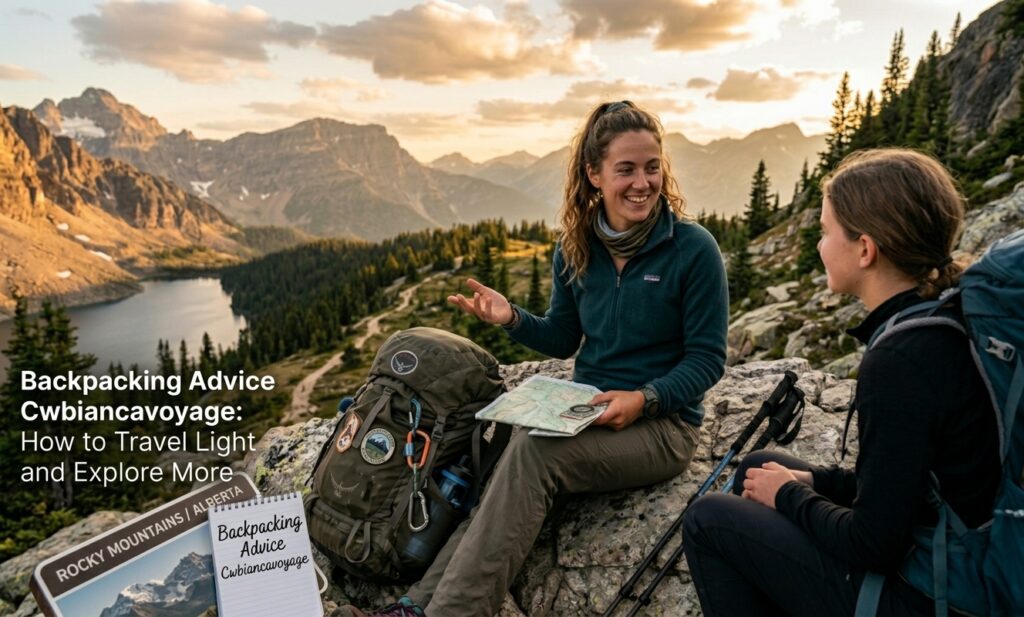

Backpacking offers a practical way to discover new destinations, experience different cultures, and enjoy more independent travel. However, a successful trip requires thoughtful preparation. Carrying too much luggage, overlooking important travel arrangements, or planning an unrealistic itinerary can make an otherwise exciting journey unnecessarily difficult.
Backpacking advice cwbiancavoyage centers on a simple principle: prepare carefully, pack purposefully, and leave room for discovery. Rather than filling your backpack with items you might never use, choose belongings that support your actual travel plans.
Whether you are visiting a busy city, exploring rural communities, or preparing for a hiking adventure, your packing strategy should reflect your destination, weather, accommodation, and planned activities. A traveler staying in hotels will have different requirements from someone carrying a tent and sleeping equipment into a remote area.
Why Traveling Light Is Essential for Backpackers
Traveling light can make moving between accommodation, public transportation, and attractions more convenient. When your belongings are organized in a manageable backpack, you have fewer bags to handle and less luggage to repack throughout the day.
A lightweight setup can also help you remain flexible when your travel plans change. You may decide to visit another neighborhood, take a different train, or spend additional time exploring a destination. Managing fewer belongings can make these decisions easier.
Benefits of Carrying Less Luggage
One major benefit of carrying less luggage is convenience. A backpack that suits your strength and travel requirements is easier to manage on stairs, crowded platforms, and long walking days.
Packing fewer items can also improve organization. When every item has a purpose and a designated place, you can locate important belongings without unpacking everything.
Other potential benefits include:
- Simpler transportation: Fewer bags can make transfers between buses, trains, and accommodation easier.
- Better organization: A carefully selected packing list reduces unnecessary clutter.
- More flexibility: A manageable bag can simplify changes to your daily itinerary.
- Less time spent packing: Fewer belongings generally mean fewer items to sort and repack.
- More thoughtful spending: Reviewing your needs before departure can help prevent unnecessary purchases.
However, traveling light does not automatically guarantee a cheaper or safer trip. The real advantage comes from balancing convenience with adequate preparation.
How Lightweight Travel Makes Exploring Easier
Imagine arriving at a destination before your accommodation is ready. If you have a manageable backpack, you may find Backpacking advice cwbiancavoyage easier to use public transportation, walk to a nearby attraction, or arrange secure luggage storage.
The same principle applies when visiting multiple destinations. A well-organized bag can reduce the inconvenience of frequent departures and arrivals.
To make lightweight travel work, keep frequently used belongings accessible. Documents, medication, weather protection, and other essential items should be easy to retrieve without disturbing everything else.
How to Choose the Best Backpack for Your Adventure
Choosing a backpack begins with understanding your trip. Consider the length of your journey, the climate, your accommodation, and whether you will spend most of your time walking through cities or hiking outdoors.
Backpacks differ in capacity, fit, compartments, and construction. A suitable bag should accommodate your necessary equipment without encouraging you to carry unnecessary extras.
Choosing the Right Backpack Size and Capacity
Backpack capacity is generally measured in liters. Smaller bags can suit short trips with minimal equipment, while longer journeys and camping trips may require additional space.
REI identifies 30–50 liters as a typical capacity range for efficiently packed weekend backpacking trips lasting one to three nights. This is a general reference rather than a rule for every traveler. The right size depends on the equipment you need and the conditions you expect.
Before purchasing a backpack, make a packing list and consider whether you will need camping equipment, bulky clothing, or specialized gear. Travelers staying in accommodation with laundry facilities may be able to carry fewer clothes.
Essential Features for Comfort and Durability
Comfort and fit matter as much as capacity. Look for suitable shoulder straps, secure closures, durable stitching, and compartments that help you organize your belongings.
For hiking backpacks, torso length and hip-belt fit are particularly important. A correctly fitted pack can distribute the load more effectively and reduce unnecessary strain.
Consider these features before buying:
- Adjustable shoulder straps.
- A suitable back panel and hip belt.
- Strong zippers and durable construction.
- Pockets that make frequently used items accessible.
- Rain protection appropriate for the destination.
- A design that matches your planned activities.
Whenever possible, try the backpack with some weight inside Backpacking advice cwbiancavoyage. Walk around, adjust the straps, and check for uncomfortable pressure points.
You do not need the most expensive backpack to travel successfully. Choose one that fits well, meets your practical requirements, and suits your budget.
What to Pack for a Lightweight Backpacking Trip
A useful packing list reflects your actual itinerary. Clothing, footwear, toiletries, documents, electronics, and safety equipment should be selected according to the destination and planned activities.
Before packing, research the expected weather, local requirements, and facilities available at your accommodation. This helps you avoid carrying unnecessary items while ensuring that important needs are covered.
Essential Clothing and Comfortable Footwear
Choose clothing that can be worn in different combinations and suits the expected weather. Versatile items may reduce the number of separate outfits you need to carry.
A basic list may include comfortable shirts, suitable trousers or shorts, underwear, socks, sleepwear, and a layer for cooler conditions. Add rain protection or specialized clothing when the destination and activities require them.
Footwear should match the terrain. Comfortable walking shoes may be appropriate for city sightseeing, while hiking routes can require more supportive shoes or boots.
Toiletries and Personal Care Items
Personal care supplies help you maintain your routine during a trip. Consider packing a toothbrush, toothpaste, appropriate sunscreen, basic hygiene products, and any necessary medication.
Travel-sized containers can reduce bulk, provided they meet your needs and comply with applicable transport rules.
For longer journeys or outdoor trips, your health kit may need additional supplies. Research destination-specific health recommendations and consult a qualified healthcare professional when necessary.
Travel Documents, Gadgets, and Safety Essentials
Organize your required identification, travel documents, payment methods, and booking information before departure.
Depending on your trip, useful items may include a phone, charger, suitable power adapter, emergency contacts, travel insurance information, and secure copies of important documents.
International travelers should check passport validity, visa requirements, entry conditions, and local regulations before departure.
For hiking and remote travel, consider additional equipment such as navigation tools, illumination, appropriate food and water supplies, and first-aid materials. The required equipment depends on the route and environmental conditions.
Smart Packing Tips to Save Space and Weight
Efficient packing begins with deciding what genuinely belongs in your bag. Rather than packing every item that might be useful, evaluate your itinerary and choose belongings that meet clear needs.
A practical system should also make unpacking and repacking straightforward. Organization becomes particularly important when changing accommodation frequently.
Using a Minimalist Backpacking Checklist
Divide your packing list into categories such as clothing, toiletries, documents, electronics, and activity-specific equipment.
Review each item and ask three questions: Do I need it? Does another item already perform the same function? Can I reasonably obtain Backpacking advice cwbiancavoyage at my destination if necessary?
A basic checklist might include:
- Required documents and payment methods.
- Clothing suitable for the weather.
- Appropriate footwear.
- Personal care supplies.
- Necessary medication.
- Phone and charging equipment.
- Water and food provisions appropriate to the journey.
- Weather protection and safety equipment.
Adapt this checklist to your trip. Someone staying in hotels will need different equipment from someone camping without access to shops or facilities.
Choosing Multipurpose Clothing and Travel Gear
Multipurpose items can reduce the number of belongings you carry. Clothing that works for several activities may be more practical than separate outfits for every occasion.
A lightweight outer layer can help with changing temperatures, while a quick-drying towel may be useful when accommodation does not provide one.
Small organizers can separate clean clothing, toiletries, and accessories. However, packing cubes and specialized travel products are optional. Use them when they genuinely improve your organization.
Avoiding Overpacking and Unnecessary Items
Overpacking often happens when travelers prepare for unlikely situations rather than the conditions they are actually likely to encounter.
To reduce unnecessary weight, lay out your belongings before packing. Remove duplicates, check the forecast, and confirm what your accommodation provides.
Weigh the completed bag if possible and test it before departure. If Backpacking advice cwbiancavoyage feels uncomfortable, review the fit and remove optional items that are not needed.
Budget-Friendly Backpacking Advice for Exploring More
A realistic travel budget helps you plan how much to spend on transportation, accommodation, meals, activities, and unexpected expenses.
Before departure, estimate the main costs and keep some money available for emergencies. Your budget should reflect the destination, travel dates, preferred accommodation, and planned activities.
Finding Affordable Accommodation and Transportation
Compare suitable accommodation options, including hostels, guesthouses, and budget hotels where available. Consider location, safety, cancellation terms, and included facilities rather than comparing room prices alone.
Transportation also deserves careful planning. Depending on the destination, buses, trains, and public transit may offer alternatives to more expensive options.
Check current fares, departure times, transfer requirements, and luggage policies. A cheaper ticket may not be the best value if Backpacking advice cwbiancavoyage creates costly transfers or an inconvenient arrival time.
Saving Money on Food and Daily Expenses
Set a realistic daily allowance for meals and ordinary expenses. Research typical prices and decide where you might save money without compromising health or comfort.
Where practical, buying groceries or choosing accommodation with kitchen facilities can provide alternatives to eating every meal at a restaurant.
You can also control expenses by checking local transport passes, reviewing attraction fees, and tracking purchases throughout the trip.
Exploring Free Attractions and Local Experiences
Some destinations offer free public parks, walking routes, cultural spaces, community events, and attractions with designated free admission periods.
Check official tourism resources and attraction information for opening times, access restrictions, and current prices. Exploring local neighborhoods can also provide opportunities to learn about everyday life. Respect local customs, private property, and rules governing photography or entry to religious and cultural sites.
How to Plan a Flexible Backpacking Itinerary
A good itinerary provides direction while leaving room for unexpected changes. Research your main destinations, transportation options, accommodation, and activities before departure.
Avoid scheduling so many activities that a small delay disrupts the entire day. Allow time for meals, rest, travel connections, and changing conditions.
Researching Destinations and Travel Routes
Identify the places you want to visit and investigate how to travel between them. Check official transportation schedules, accommodation details, entry requirements, and local travel guidance.
For outdoor activities, research route difficulty, weather conditions, permits, and available facilities. A route that looks simple on a map may require more time or equipment than expected.
Balancing Popular Attractions With Hidden Gems
Choose the major attractions that matter most to you, then identify additional places nearby. Depending on your destination, these might include public gardens, local markets, smaller museums, or neighborhoods with interesting architecture. Check opening hours, accessibility, costs, and visitor rules before adding an attraction to your schedule.
Making Time for Unexpected Adventures
Leave some unplanned time in your itinerary. You may discover an interesting local event, receive a useful recommendation, or need to adjust your plans because of weather or transport delays.
Flexibility does not mean ignoring practical arrangements. Check the cost, opening hours, travel time, and safety requirements before committing to an unexpected activity. Keeping a few alternative options for rainy weather or closures can help you adapt without losing an entire day.
Backpacking Safety Tips for a Smooth Journey
Safety preparation should reflect your destination, activities, and personal needs. Before departure, review official travel guidance, understand local emergency procedures, and organize essential documents.
Travel insurance may be appropriate, particularly for international trips or activities that involve additional risks. Review policy limits and exclusions before relying on coverage.
Protecting Your Belongings and Important Documents
Keep travel documents secure and maintain copies where appropriate. Store backup payment methods separately from your main wallet and avoid displaying valuables unnecessarily in crowded settings.
Useful precautions include saving accommodation details, securing your devices, and keeping emergency contacts accessible. Digital copies can help you retrieve information, but they do not replace original documents when authorities require them.
Staying Safe in Unfamiliar Destinations
Learn about local laws, customs, transportation, and current security conditions before arrival. If traveling alone or visiting remote locations, consider sharing your itinerary with a trusted person and arranging check-ins where appropriate.
For outdoor activities, research the route and weather, carry suitable navigation tools, and bring the equipment needed for the conditions. Follow local rules and advice from qualified guides or authorities.
Preparing for Emergencies and Travel Disruptions
Illness, lost belongings, transport cancellations, and severe weather can affect even carefully planned trips.
Keep essential contact information, booking details, insurance information, and necessary medication accessible. Prepare a backup plan for important travel connections and unexpected expenses. For hiking trips, carry appropriate first-aid supplies and the additional equipment required by the route.
Read more: Paxtraveltweaks Explained: Tips Every Traveler Should Know
Practical Backpacking Tips for First-Time Travelers
Your first backpacking trip can be a short, manageable journey rather than an ambitious expedition. Start with a destination and itinerary that suit your experience, budget, and comfort level.
Preparation helps you learn how to organize belongings, estimate expenses, and handle transportation before attempting more complicated journeys.
Building Confidence Before Your First Backpacking Trip
Research your destination, confirm bookings, and learn how to reach your accommodation. Test your backpack with the items you intend to carry and make sure Backpacking advice cwbiancavoyage fits comfortably.
Keep your first itinerary realistic. Visiting a few places at a relaxed pace may be more enjoyable than trying to cover too many destinations. Save essential contact details and understand the cancellation conditions for important bookings.
Managing Backpack Weight and Daily Comfort
Adjust your backpack according to its design and the manufacturer’s fitting guidance. Organize frequently used items so they are easy to reach.
Choose footwear that suits your planned activities and test its comfort before a demanding walking day. Take breaks when needed and make sure you have adequate food and safe drinking water for the conditions.
Learning From Common Backpacking Mistakes
Common planning problems include packing too much, underestimating transport time, overlooking entry requirements, and scheduling too many activities.
You can reduce these risks by researching in advance, checking travel documents, reviewing baggage rules, and allowing flexibility in your itinerary. After each trip, identify what you used regularly, what you did not need, and what you wished you had prepared better.
Final Thoughts
A successful backpacking trip begins with preparation rather than the amount of equipment you own. Choosing a suitable backpack, packing thoughtfully, setting a realistic budget, and researching your destination can make the experience easier to manage.
The most useful backpacking advice cwbiancavoyage principles are to carry what you need, organize your essentials, prepare for changing conditions, and remain flexible when plans change.
Traveling light does not mean ignoring your comfort or safety. Your packing list should reflect the weather, route, accommodation, and activities you expect. Check important travel requirements before departure and adjust your plans when circumstances demand it.
FAQs About Backpacking Advice Cwbiancavoyage
1. What Are the Essential Items to Pack for Backpacking?
Essential items generally include suitable clothing, comfortable footwear, required travel documents, payment methods, personal care supplies, a phone and charger, and necessary medication.
2. How Can I Travel Light Without Sacrificing Comfort?
Choose versatile clothing, remove duplicate items, use appropriately sized toiletries, and check what your accommodation provides. Test your packed backpack before departure and remove unnecessary belongings.
3. What Backpack Size Is Best for Beginner Travelers?
The best size depends on trip duration, climate, accommodation, and required equipment. REI describes 30–50 liters as a typical range for efficiently packed weekend backpacking trips lasting one to three nights, but this is not a universal rule.
4. How Can I Make Backpacking More Affordable?
Compare transportation and accommodation options, estimate daily expenses, and look for suitable free or low-cost activities. Track spending throughout the trip and maintain an emergency reserve.
5. What Safety Precautions Should Backpackers Take?
Research local requirements and current travel guidance, secure your belongings, save emergency contacts, and carry necessary medication.