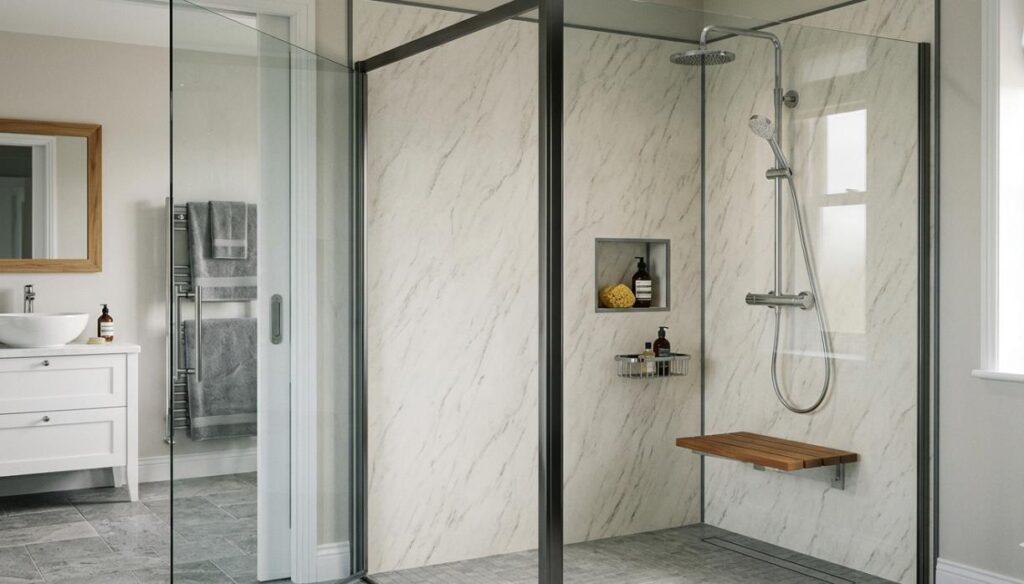

When planning a bathroom renovation, one of the biggest decisions is choosing the right wall covering for your shower area. While traditional tiles have long been the standard choice, Shower Wall Panels have rapidly gained popularity among homeowners, designers, and contractors. These modern wall systems provide a stylish, waterproof, and low-maintenance alternative that can transform any bathroom into a functional and visually appealing space.
Whether you’re remodeling an outdated bathroom or building a new one, understanding the advantages, materials, installation process, and design possibilities can help you make the best choice. In this guide, we’ll explore everything you need to know about Shower Wall Panels, from their benefits and costs to installation tips and design inspiration.
What Are Shower Wall Panels?
Shower Wall Panels are large waterproof sheets designed to cover shower walls and bathroom surfaces. Unlike traditional tiles that require grout lines and extensive installation work, these panels are installed in larger sections, creating a seamless and water-resistant finish.
They are available in a variety of materials, colors, patterns, and textures, making them suitable for both modern and traditional bathrooms. Many homeowners choose them because they offer a clean look while reducing maintenance and cleaning efforts.
Read More: Wutawhelp Useful Advice By Whatutalkingboutwillis: Practical Tips for a Better Everyday
Benefits of Shower Wall Panels
Waterproof Protection
One of the biggest advantages of Shower Wall Panels is their excellent waterproof performance. They create a protective barrier that prevents moisture from penetrating walls, helping reduce the risk of mold, mildew, and water damage.
Easy Maintenance
Unlike tiled surfaces with grout lines that collect dirt and soap scum, wall panels feature smooth surfaces that are easy to wipe clean. Regular cleaning usually requires only a damp cloth and mild cleaner.
Quick Installation
Compared to traditional tiling, shower panels can be installed much faster. Many products are designed with tongue-and-groove systems or adhesive backing, making installation more straightforward.
Cost-Effective Solution
Many homeowners discover that Shower Wall Panels can reduce both material and labor costs. Faster installation means fewer labor hours, which often results in lower overall renovation expenses.
Modern Appearance
Available in marble, stone, wood, and contemporary finishes, these panels provide a sophisticated look that complements virtually any bathroom design.
Durability
High-quality panels are resistant to moisture, impact, and daily wear. When properly maintained, they can last for many years without losing their appearance.
Types of Shower Wall Panels
Choosing the right material is essential for achieving the desired look and performance.
PVC Shower Wall Panels
PVC panels are among the most affordable options available.
Advantages:
- Lightweight
- Easy to install
- Waterproof
- Budget-friendly
Disadvantages:
- Less premium appearance
- May be less durable than high-end materials
Acrylic Shower Wall Panels
Acrylic panels offer a glossy and elegant appearance.
Advantages:
- Highly durable
- Attractive finish
- Resistant to stains
Disadvantages:
- Higher cost than PVC
- Can scratch if improperly cleaned
Laminate Shower Wall Panels
Laminate options replicate natural materials such as stone and wood.
Advantages:
- Realistic designs
- Strong surface protection
- Wide style selection
Disadvantages:
- Higher installation costs
Fiberglass Reinforced Plastic Panels
Commonly used in residential and commercial settings.
Advantages:
- Strong and durable
- Moisture-resistant
- Affordable
Disadvantages:
- Limited design options
Solid Surface Panels
These premium panels provide a seamless luxury appearance.
Advantages:
- Extremely durable
- Elegant design
- Long lifespan
Disadvantages:
- Expensive
- Professional installation recommended
Shower Wall Panel Materials
| Material | Durability | Maintenance | Cost Range | Appearance |
| PVC | Moderate | Easy | Low | Good |
| Acrylic | High | Easy | Medium | Excellent |
| Laminate | High | Easy | Medium-High | Excellent |
| Fiberglass | High | Easy | Medium | Good |
| Solid Surface | Very High | Very Easy | High | Premium |
How to Choose the Right Shower Wall Panels
Consider Your Budget: The first step is determining how much you’re willing to spend. PVC options suit budget-conscious renovations, while solid-surface products cater to luxury projects.
Evaluate Bathroom Size: Smaller bathrooms often benefit from seamless panel systems because they create a spacious visual effect.
Match Your Design Style: Whether you prefer minimalist, modern, rustic, or luxury interiors, there are Shower Wall Panels available to match your aesthetic preferences.
Think About Maintenance: Choose materials that align with your maintenance expectations. Busy households often prefer low-maintenance surfaces that resist stains and mold growth.
Check Durability: Look for products backed by strong warranties and positive customer reviews.
Step-by-Step Installation Guide
Tools You’ll Need
- Measuring tape
- Utility knife or saw
- Adhesive
- Silicone sealant
- Spirit level
- Safety equipment
Step 1: Measure the Shower Area: Carefully measure the height and width of each wall to ensure accurate panel sizing.
Step 2: Prepare the Surface: Clean and inspect walls for damage. The surface should be smooth, dry, and structurally sound.
Step 3: Cut the Panels: Trim panels according to your measurements. Always double-check dimensions before cutting.
Step 4: Apply Adhesive: Apply a suitable waterproof adhesive to the back of the panel or directly to the wall surface.
Step 5: Install the Panels: Press panels firmly against the wall and ensure proper alignment using a level.
Step 6: Seal the Edges: Use high-quality silicone sealant around corners, joints, and fixtures to create a waterproof finish.
Step 7: Allow Proper Curing: Follow manufacturer recommendations for curing times before using the shower.
DIY vs Professional Installation
DIY Installation
Pros
- Lower costs
- Flexible schedule
- Suitable for experienced homeowners
Cons
- Risk of mistakes
- Time-consuming
- Warranty concerns
Professional Installation
Pros
- Expert workmanship
- Faster completion
- Reduced risk of leaks
Cons
- Higher labor costs
For premium materials, professional installation is often the best choice.
How Much Do Shower Wall Panels Cost?
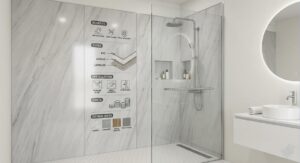
The total cost depends on the material, bathroom size, and installation complexity.
Average Material Costs
- PVC Panels: $5–$15 per square foot
- Acrylic Panels: $10–$30 per square foot
- Laminate Panels: $15–$40 per square foot
- Fiberglass Panels: $10–$25 per square foot
- Solid Surface Panels: $40–$100+ per square foot
Installation Costs
Professional installation generally ranges from $500 to $3,000 or more depending on project size and material selection.
Factors Affecting Cost
- Material quality
- Panel thickness
- Bathroom size
- Custom designs
- Labor rates
- Geographic location
Shower Wall Panels vs Traditional Tiles
Many homeowners compare Shower Wall Panels with ceramic or porcelain tiles before making a decision.
Installation Time: Panels install significantly faster than tile systems.
Maintenance: Tiles require grout maintenance, while panels typically need only routine cleaning.
Waterproofing: Both options can provide waterproof protection when properly installed.
Design Options: Tiles offer virtually unlimited patterns, but modern panels increasingly provide similar design flexibility.
Cost: In many cases, Shower Wall Panels offer lower installation costs due to reduced labor requirements.
Popular Design Ideas
Marble Effect Panels: Create a luxurious spa-like atmosphere without the cost of real marble.
Stone-Look Finishes: Natural stone aesthetics remain one of the most popular bathroom trends.
Wood-Look Waterproof Panels: These provide warmth and character while maintaining complete moisture resistance.
High Gloss Finishes: Perfect for contemporary bathrooms seeking a bright and reflective appearance.
Matte Designs: Matte surfaces create a sophisticated and modern aesthetic.
Seamless Large Panels: Large-format installations minimize visible joints and create a sleek appearance.
Cleaning and Maintenance Tips
Proper maintenance helps extend the life of your shower walls.
Daily Cleaning: Wipe down surfaces after use to reduce soap scum buildup.
Weekly Maintenance: Use mild non-abrasive cleaners to maintain shine and cleanliness.
Avoid Harsh Chemicals: Strong solvents and abrasive scrubbers can damage certain panel materials.
Inspect Sealants: Regularly check silicone joints for signs of wear or separation.
Ensure Proper Ventilation: Adequate airflow reduces moisture accumulation and mold growth.
Conclusion
Modern bathrooms require solutions that combine beauty, functionality, and long-term performance. Shower Wall Panels provide all three, making them an increasingly popular choice among homeowners and renovation professionals. From waterproof protection and low maintenance to fast installation and stylish designs, these versatile wall systems offer significant advantages over traditional alternatives.
Whether you’re looking for a budget-friendly update or a luxury bathroom transformation, Shower Wall Panels are available in a wide range of materials, colors, and finishes to suit your needs. By understanding the various types, installation methods, costs, and maintenance requirements, you can confidently choose a solution that enhances both the appearance and value of your bathroom for years to come.
FAQs
Q1: Are shower wall panels completely waterproof?
Ans: Yes, when properly installed and sealed, shower wall panels provide excellent waterproof protection and are specifically designed for wet environments.
Q2: How long do shower wall panels last?
Ans: High-quality panels can last 15 to 30 years or more with proper maintenance and care.
Q3: Can shower wall panels be installed over existing tiles?
Ans: In many cases, yes. As long as the tile surface is stable, clean, and level, panels can often be installed directly over it.
Q4: Are shower wall panels cheaper than tiles?
Ans: Often they are. Reduced labor requirements and faster installation can make them more cost-effective than traditional tile installations.
Q5: Can I install shower wall panels myself?
Ans: Yes. Many products are designed for DIY installation, although professional installation may be recommended for premium materials.
Q6: What is the best material for shower wall panels?
Ans: The best material depends on your budget and goals. Acrylic and solid-surface panels are popular for durability and appearance.
Q7: Do shower wall panels increase home value?
Ans: A modern, well-designed bathroom renovation can enhance overall property appeal and potentially increase resale value.
Q8: Are shower wall panels resistant to mold and mildew?
Ans: Yes. Their smooth, grout-free surfaces reduce areas where mold and mildew commonly develop.